


Focused Improvement
- Business, Operations, TPM
- 381 (Registered)
-
(2 Reviews)
26
Mar

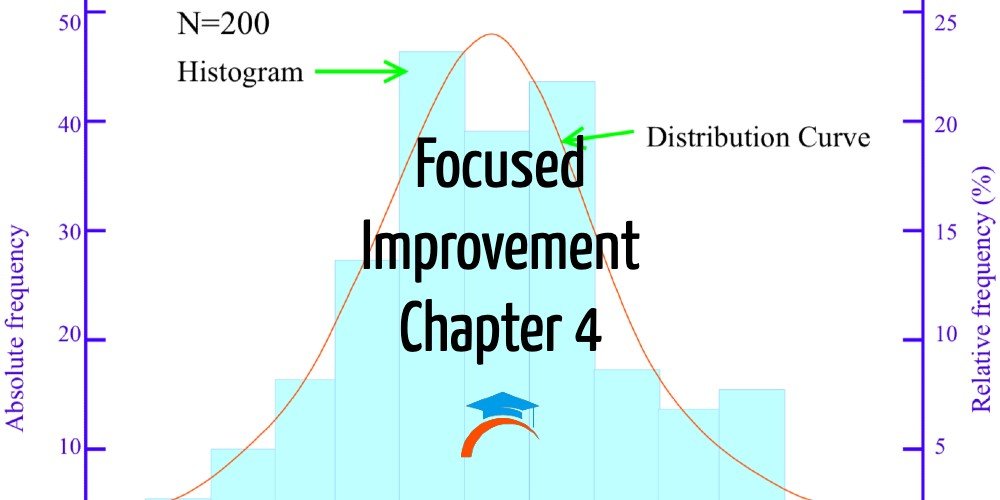
Chapter 4 of TPM Instructor Course.
The effects of much conventional improvement activity used to be transitory, and there was a strong tendency for improvements not to be capable of being sustained or properly established. In TPM, by contrast, activities are organized to ensure that the benefits of Focused Improvements are upheld.
This chapter will review the program of activities designed to foster the ability to improve while delivering tangible financial benefits. Its aim is to greater production efficiency, and its main thrust is dramatically increasing productivity by eliminating the 16 Big Losses.
Next chapter – Autonomous Maintenance
Curriculum
- 14 Sections
- 39 Lessons
- 10 Weeks
Expand all sectionsCollapse all sections
- The Thinking behind Focused Improvement4 Items
- How Effectively Are Losses being Tackled? – A 4-Level Assessment1 Item
- Tools and Techniques for Focused Improvement1 Item
- The QC Story4 Items
- Why-Why Analysis1 Item
- Industrial Engineering (IE) Techniques1 Item
- Eliminating Breakdowns4 Items
- Improving Changeover3 Items
- Reducing Startup Losses2 Items
- Reducing Minor Stops4 Items
- Reducing Speed Losses2 Items
- Reducing Quality Defects3 Items
- P-M Analysis9 Items
- 14.1The Weaknesses of Traditional Cause Analysis
- 14.2What is P-M Analysis?
- 14.3Target-Setting: The Basic Approach to Improvement
- 14.4Good P-M Analysis
- 14.5The Definition of P-M Analysis
- 14.6The Structure of P-M Analysis
- 14.7Where to start and finish a P-M Analysis
- 14.8The Steps of P-M Analysis
- 14.9Points to Note when Carrying out a P-M Analysis
- Quiz1 Item
Instructor

Included in Collections & Learning Paths
3 matchesRelated Courses
Free
Free
Free
Free
Free
Free